

Advanced Surgical Techniques and Superior Care for Discerning Podiatric Patients
Our surgical center focuses on innovative, proprietary treatments for complex foot and ankle injuries, disorders, and deformities. We're recognized as a leading authority on correcting short toe syndrome (brachymetatarsia), and our care spans everything from in-office corn removal to full foot and ankle reconstruction. Whatever you're dealing with — painful or unsightly bunions, hammertoes, or an athletic injury that needs surgical repair — Khosroabadi Institute is here to get you back on your feet.
AMI-Bunion® Surgery
If your schedule doesn't leave room for the months of downtime that come with traditional bunion surgery, Khosroabadi Institute's exclusive AMI-BUNION® correction method offers a faster, gentler path back to pain-free feet. Developed by foot and ankle surgeon Dr. Alireza Khosroabadi, DPM — known to patients as Dr. K — this minimally invasive technique is performed on an outpatient basis and is designed to cut down on both pain and recovery time. Reach out to schedule a consultation and stop putting off the care your feet deserve.

AMI-Bunionette™ Surgery
Conservative care can ease mild bunionette pain, but surgery is the only way to remove one for good — and that no longer has to mean a long recovery. Dr. Alireza Khosroabadi, DPM (Dr. K) developed an advanced minimally invasive approach known as the AMI-BUNIONETTE™. This outpatient procedure corrects bunionettes with far less pain, swelling, scarring, and downtime than traditional surgical methods.

AMI-Hammertoe™ Surgery
A painful hammer toe doesn't have to mean a long, difficult surgery or an extended recovery. Dr. K's exclusive AMI-HAMMERTOE® correction procedure at Khosroabadi Institute is built to get patients back on their feet faster, using a minimally invasive method that delivers strong results with little to no pain, scarring, or downtime.

GENIUS® Metatarsal Lengthening
Dr. Alireza Khosroabadi, DPM is a leading expert in short toe syndrome and toe-lengthening surgery, offering advanced surgical options built for lasting results. His expertise and technique give patients the chance to improve both the appearance and function of their feet. Learn more about the metatarsal lengthening solutions Dr. K offers at Khosroabadi Institute in Los Angeles.

Bracymetatarsia/Short Toe
Brachymetatarsia, also called short toe syndrome, occurs when one or more of the bones in the front of the foot is noticeably shorter than the rest — most often the fourth metatarsal, though any of the five can be affected. Surgical correction can restore a more typical foot appearance along with full mobility.
Bunion
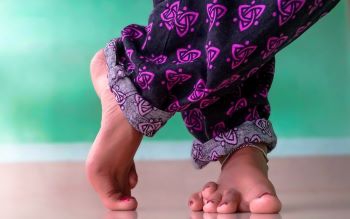
Bunions generally develop from an imbalance in the foot's structure that pushes the big toe joint out of alignment. Non-surgical measures such as orthotic devices, padding, and ice packs can offer temporary relief, but bunions that are severe or persistent typically call for surgical treatment.
Bunionette
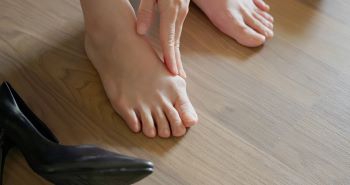
Bunionettes form the same way bunions do, but at the base of the little toe instead of the big toe. Ill-fitting shoes, inherited foot structure, trauma, and inflammatory conditions like arthritis can all play a role. Find out how bunionettes are diagnosed and how our minimally invasive surgical approach keeps even stubborn cases from returning.

Clubfoot
Clubfoot, medically known as talipes equinovarus, is a condition present at birth in which one or both feet are twisted inward. The foot often points downward and in, the heel sits higher than normal, and the affected foot may be smaller with less developed muscle than the other. The Ponseti Method offers an effective, non-surgical path to treating clubfoot in children.

Ponseti Method for Clubfoot
Clubfoot is a condition present at birth that turns the affected foot or feet inward at the ankle, making walking painful and difficult without treatment. Starting care early gives infants born with clubfoot the best chance at a healthy, active life. At Khosroabadi Institute in Los Angeles, Dr. Alireza Khosroabadi, DPM uses the well-established Ponseti Method to correct clubfoot in babies and children gently and effectively.
Hammer Toe
Hammer toe is a deformity marked by an abnormal bend or curl in one or more toes, taking its name from the toe's resemblance to a hammer or claw as it bends upward at the middle joint and downward at the joint nearest the foot. It can be quite painful, but surgical treatment can correct the deformity and get you back on your feet.

Get Help Now
Protected by Google reCAPTCHA | Privacy – Terms
Disclaimer: Please do not include any medical information, diagnoses, or sensitive personal details in this form. For medical concerns, please contact our office directly.
We use cookies to improve your experience, analyze site traffic, and personalize content. You can accept all, reject non-essential, or manage your preferences. See our Privacy Policy. Under the CCPA, you may opt out of the "sale" or sharing of your personal information at any time.